
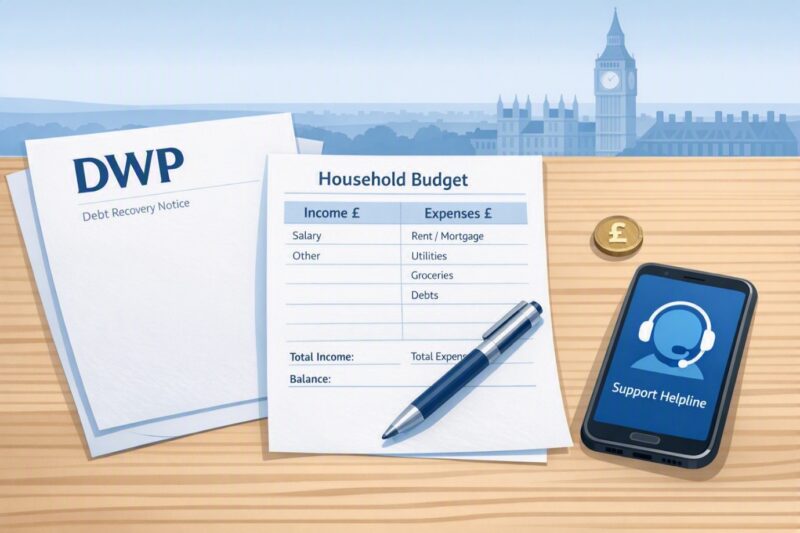
From July 2026, the Department for Work and Pensions (DWP) has introduced major new powers to recover benefit overpayments and other debts. These changes affect thousands of people across the UK, so it’s important to understand what they mean and what you can do if you’re contacted.
What Has Changed?
- DWP can now take money directly from your bank account
For the first time, DWP can recover money directly from someone’s bank account without needing a court order. This is a big change from the old system, where DWP had to go through the courts first.
- Driving bans for serious unpaid debts
In more serious cases, DWP can now apply for a driving ban if someone refuses to repay benefit debts. This is meant to be used only in higher‑risk or long‑term cases.
Why Has DWP Made These Changes?
DWP says these changes are intended to recover money owed to the public purse more quickly and reduce benefit debt, especially where people have not responded to repayment requests or have refused to engage. The Government says the aim is to protect taxpayer money, close gaps in the old recovery system, and encourage people to contact DWP early to agree an affordable repayment plan.
In plain English, the Government says the changes are designed to:
- recover benefit overpayments, Universal Credit advances, and other DWP debts more effectively;
- reduce the need for lengthy court action in some cases;
- deal with people who can afford to pay but avoid repayment;
- encourage people to get in touch before stronger enforcement action is considered; and
- protect public money and keep the benefits system fair.
However, these powers may feel worrying for people who are already struggling financially. The important thing to remember is that DWP should still consider affordability, and anyone contacted should check the debt, ask questions, and get free independent advice before agreeing to payments they cannot manage.
Why Hasn’t This Been Widely Covered in the Main Media?
This issue has not received the level of mainstream media attention many people might expect. One reason may be that the changes are technical and sit within wider Government plans on debt recovery and public finances. But for people who owe money to DWP, the impact could be very real. That is why clear, plain-English information matters.
- It may be seen as a technical benefits or debt policy change rather than a headline story.
- The change may be buried inside wider legislation or Government announcements, which makes the wider impact easy to miss.
- Debt recovery powers mainly affect people on low incomes or people with benefit overpayments, whose issues often receive less media attention.
- Media outlets often focus on immediate crises, party politics, scandals, or dramatic personal stories rather than administrative changes.
- There may not yet be many reported real-life cases, so journalists may wait until the powers are actually used before covering them more widely.
- Some coverage may appear in specialist places, such as welfare rights groups, debt advice charities, parliamentary updates, or legal blogs, rather than on TV news or front pages.
Who Could Be Affected?
These powers apply to anyone who owes money to DWP, including:
- Benefit overpayments (for example, if your circumstances changed but payments continued)
- Official error overpayments
- Universal Credit advances that have fallen into arrears
- Other DWP‑related debts
If you’ve ever received a letter about an overpayment, these changes may apply to you.
If You Receive a Letter — Don’t Ignore It
If DWP contacts you, it’s important to act quickly. Here’s what you should do:
- Contact DWP straight away
Use the phone number on the letter to discuss your situation. Ignoring the letter could lead to stronger enforcement action.
- Ask for an affordable repayment plan
DWP can usually set up a repayment plan based on what you can realistically afford. You don’t have to pay everything at once.
- Check the debt is correct
If you think the amount is wrong or you disagree with the decision, you have the right to challenge it. Ask DWP how to request a review.
- Get free independent advice
Citizens Advice, StepChange, and National Debtline can help you understand your rights and even speak to DWP on your behalf.
Free Debt Advice Contacts
- StepChange Debt Charity: call 0800 138 1111. Phone lines are usually open Monday to Friday, 8am to 8pm, and Saturday, 8am to 4pm. You can also start online at stepchange.org.
- National Debtline: call 0808 808 4000. Phone lines are usually open Monday to Friday, 9am to 8pm, and Saturday, 9.30am to 1pm. Online advice and webchat are available at nationaldebtline.org.
- Citizens Advice: call 0800 144 8848 in England, 0800 702 2020 in Wales, or 0800 028 1456 in Scotland. You can also use online chat or find your local Citizens Advice office at citizensadvice.org.uk.
Before you call, try to have your DWP letter, details of your income and essential bills, and any bank or benefit statements to hand. This will help an adviser understand what you can realistically afford.
Can DWP Really Take Money Without a Court Order?
Yes — under the new rules, DWP no longer needs a court order in many cases before taking money directly from a bank account. This is why it’s so important to respond early and work out a plan.
Frequently Asked Questions About the DWP Changes
Can DWP take money from my bank account straight away?
No. DWP should contact you first and give you the chance to respond, check the debt, and agree an affordable repayment plan. The strongest powers are meant to be used where someone does not engage or refuses to repay when they can afford to.
Will everyone with a DWP overpayment be affected?
Not necessarily. These powers are mainly aimed at people who owe money to DWP and are not repaying it. If you are already making agreed repayments or you contact DWP to arrange an affordable plan, stronger action may be avoided.
Can I challenge the debt if I think it is wrong?
Yes. If you think the overpayment is wrong, the amount is incorrect, or you should not have to repay it, ask DWP how to challenge the decision or request a review. It is important to do this as soon as possible and keep copies of any letters or messages.
Can DWP ban me from driving?
DWP cannot simply ban someone from driving on its own. In the most serious cases, it can apply to a court for a driving disqualification. This is expected to be a last resort for persistent non-payment, not the first step.
What if I cannot afford to repay the debt?
Tell DWP straight away and ask for a repayment plan based on your income and essential bills. You can also contact StepChange, National Debtline, or Citizens Advice for free independent support before agreeing to payments you cannot manage.
What should I do if I receive a DWP debt letter?
Do not ignore it. Read the letter carefully, check the amount, contact DWP using the details on the letter, and ask for time to get advice if you need it. Acting early usually gives you more options.
Where can I get help?
You can contact free debt advice organisations such as StepChange Debt Charity, National Debtline, or Citizens Advice. They can help you understand your rights, prepare a budget, and speak to creditors or DWP where appropriate.
We’re Here to Help
These new powers may feel worrying, especially if you’re already struggling. But you’re not alone.
At Debt Today Free Tomorrow, we encourage everyone to:
- Stay calm
- Respond quickly to any DWP letters
- Get independent advice
- Ask for a repayment plan you can manage
The earlier you act, the more control you keep.
Please share this information remember knowledge is power.
1 Comment
I am glad that the hostess took the time to blog on this topic. Gone are those days were the DWP needed a Court Order to gain access to your Bank Account. This information has not been shared and I myself was not aware of the changes the fact that DWP can directly go into your account and help themselves to money owed to them by you. I am sure that the majority of people on benefits and on low income struggling to make ends met are not aware of these sweeping powers that government has given DWP. In addition someone could also lose there Driving Licence as a result of these powers too.